Graston Technique / IASTM in Barrhaven, Ottawa
Graston Technique and other instrument-assisted soft tissue mobilization (IASTM) approaches use specialized handheld tools over selected soft-tissue areas. They may be used as an adjunct to physiotherapy when assessment suggests the technique could support mobility, tolerance to movement or rehabilitation goals.
What Is Graston Technique / IASTM?
Graston Technique and other instrument-assisted soft tissue mobilization (IASTM) approaches use specialized handheld tools over selected soft-tissue areas. They may be used as an adjunct to physiotherapy when assessment suggests the technique could support mobility, tolerance to movement or rehabilitation goals.
How Graston Technique / IASTM May Support Your Rehabilitation
This treatment is selected only when it fits your assessment, goals and overall rehabilitation plan.
- Apply controlled instrument-assisted treatment to selected soft-tissue areas
- Adjust pressure to comfort, tissue tolerance and the treatment goal
- Reassess movement immediately after the technique
- Pair IASTM with active mobility, strengthening or progressive loading
How We Use IASTM
- Instrument-assisted assessment of selected soft-tissue areas
- Controlled tool-assisted soft-tissue strokes
- Pressure adjusted to the treatment area and your comfort
- Immediate reassessment of movement or function
- Integration with mobility, strengthening and progressive loading
Conditions This Treatment May Be Used For
Your assessment determines whether this treatment is appropriate. It may be considered for selected presentations such as:
What to Expect During Your Appointment
Your physiotherapist confirms that instrument-assisted treatment is appropriate for the area and your health history.
The tool, pressure and expected sensation are explained before treatment.
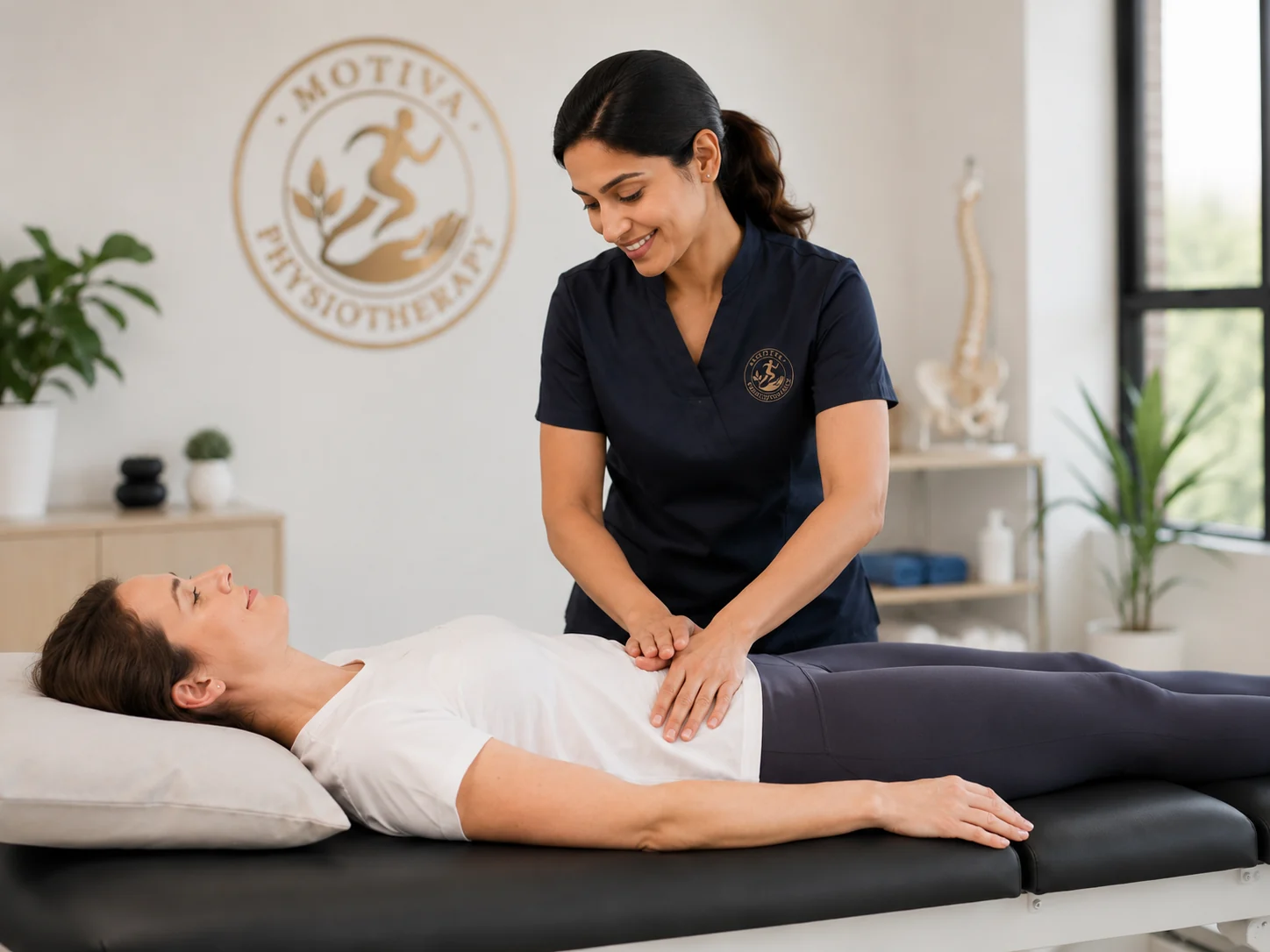
A specialized instrument is moved over the selected area using controlled pressure.
The area is reassessed and active rehabilitation is progressed based on your response.
After IASTM Treatment
Temporary redness or tenderness can occur. Treatment is not performed with the goal of creating bruising. Your physiotherapist will explain activity recommendations and how the technique connects with your active rehabilitation.
Is This Treatment Right for Me?
Suitability, frequency and whether this treatment is combined with other care depend on your assessment, health history, goals, preferences and response. Your physiotherapist will explain the reasoning before including it in your plan.
Graston Technique / IASTM FAQ
What is IASTM?
Instrument-assisted soft tissue mobilization uses specialized handheld tools over selected soft-tissue areas as an adjunct to rehabilitation.
Is Graston Technique the same as IASTM?
Graston Technique is a branded form of instrument-assisted soft tissue mobilization. IASTM is the broader category of tool-assisted soft-tissue techniques.
Does IASTM cause bruising?
Treatment should not be performed with the goal of causing bruising. Temporary redness or tenderness can occur, and pressure should be adjusted to your comfort and clinical needs.
Do I still need exercises after IASTM?
Often yes. Tool-assisted treatment is generally an adjunct, while active rehabilitation addresses strength, mobility, load tolerance and function.
Other Services That May Be Part of Your Plan
Your care plan may combine or sequence services when they are appropriate for your presentation and goals.