Fascial & Myofascial Release in Barrhaven, Ottawa
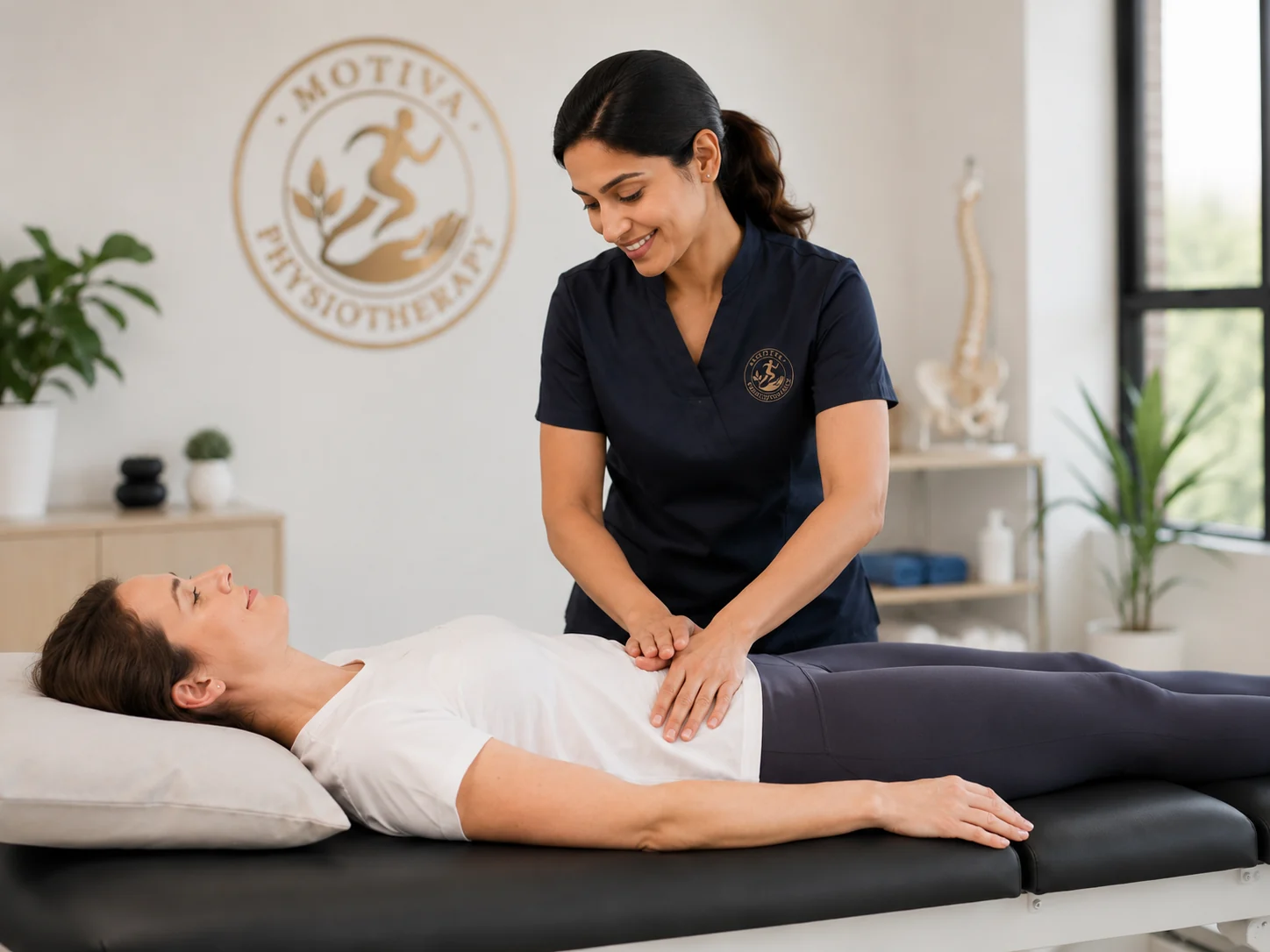
Fascial and myofascial release refers to hands-on and movement-based techniques directed at muscles and surrounding connective tissue. Anatomy Trains-informed concepts may be used to consider broader movement and myofascial patterns when the treating clinician has relevant training and when those concepts are useful for your presentation.
What Is Fascial & Myofascial Release / Anatomy Trains-Informed Techniques?
Fascial and myofascial release refers to hands-on and movement-based techniques directed at muscles and surrounding connective tissue. Anatomy Trains-informed concepts may be used to consider broader movement and myofascial patterns when the treating clinician has relevant training and when those concepts are useful for your presentation.
How Fascial & Myofascial Release / Anatomy Trains-Informed Techniques May Support Your Rehabilitation
This treatment is selected only when it fits your assessment, goals and overall rehabilitation plan.
- Address selected soft-tissue mobility restrictions
- Consider movement relationships across more than one body region when useful
- Use hands-on pressure that is adjusted to comfort
- Connect manual treatment to mobility, strength and movement retraining
How We Approach Fascial & Myofascial Treatment
- Hands-on soft-tissue and myofascial techniques
- Movement-based assessment of regional and whole-body patterns
- Sustained or gliding pressure adjusted to comfort
- Mobility and movement retraining
- Exercise and self-management strategies to support lasting functional change
Conditions This Treatment May Be Used For
Your assessment determines whether this treatment is appropriate. It may be considered for selected presentations such as:
What to Expect During Your Appointment
We assess the movement restrictions and functional activities that matter to you.
Your physiotherapist explains which tissues or movement patterns may be addressed and why.
Hands-on or movement-based techniques are applied gradually and adjusted to your comfort.
Movement is reassessed and followed by exercises or strategies that reinforce your goals.
After Myofascial Treatment
You may notice temporary tenderness or a change in movement sensation. Your physiotherapist will reassess the relevant movement and provide exercises or activity guidance based on your response.
Is This Treatment Right for Me?
Suitability, frequency and whether this treatment is combined with other care depend on your assessment, health history, goals, preferences and response. Your physiotherapist will explain the reasoning before including it in your plan.
Fascial & Myofascial Release / Anatomy Trains-Informed Techniques FAQ
What is fascial and myofascial release?
These are hands-on and movement-based approaches directed at muscles and surrounding connective tissue, used when appropriate to support mobility, comfort and movement goals.
What does Anatomy Trains-informed mean?
Anatomy Trains is a framework that describes myofascial connections across regions of the body. A clinician with relevant training may use those concepts to inform assessment and treatment without treating the framework as a diagnosis.
Will treatment be painful?
Pressure should be adjusted to your comfort. You should tell your physiotherapist if a technique feels too intense or does not feel appropriate.
Is myofascial release used by itself?
Usually it is one part of a broader plan that may also include exercise, movement retraining, education and activity progression.
Other Services That May Be Part of Your Plan
Your care plan may combine or sequence services when they are appropriate for your presentation and goals.